Remote Camera Monitoring with Client-Approved Response Procedures
A camera feed is useful only when someone knows what to watch for and what to do when an event occurs. Synthesis BPO provides staffed camera monitoring for businesses that need a trained team to observe client-authorized feeds, identify defined events, and follow an approved notification or alarm procedure. The monitoring plan is designed with you. Together, we define the camera views, coverage hours, event categories, escalation contacts, and actions operators are authorized to take. Monitoring may be scheduled during business hours or staffed around the clock, depending on the property and the client’s requirements.
What Is Remote Camera Monitoring?
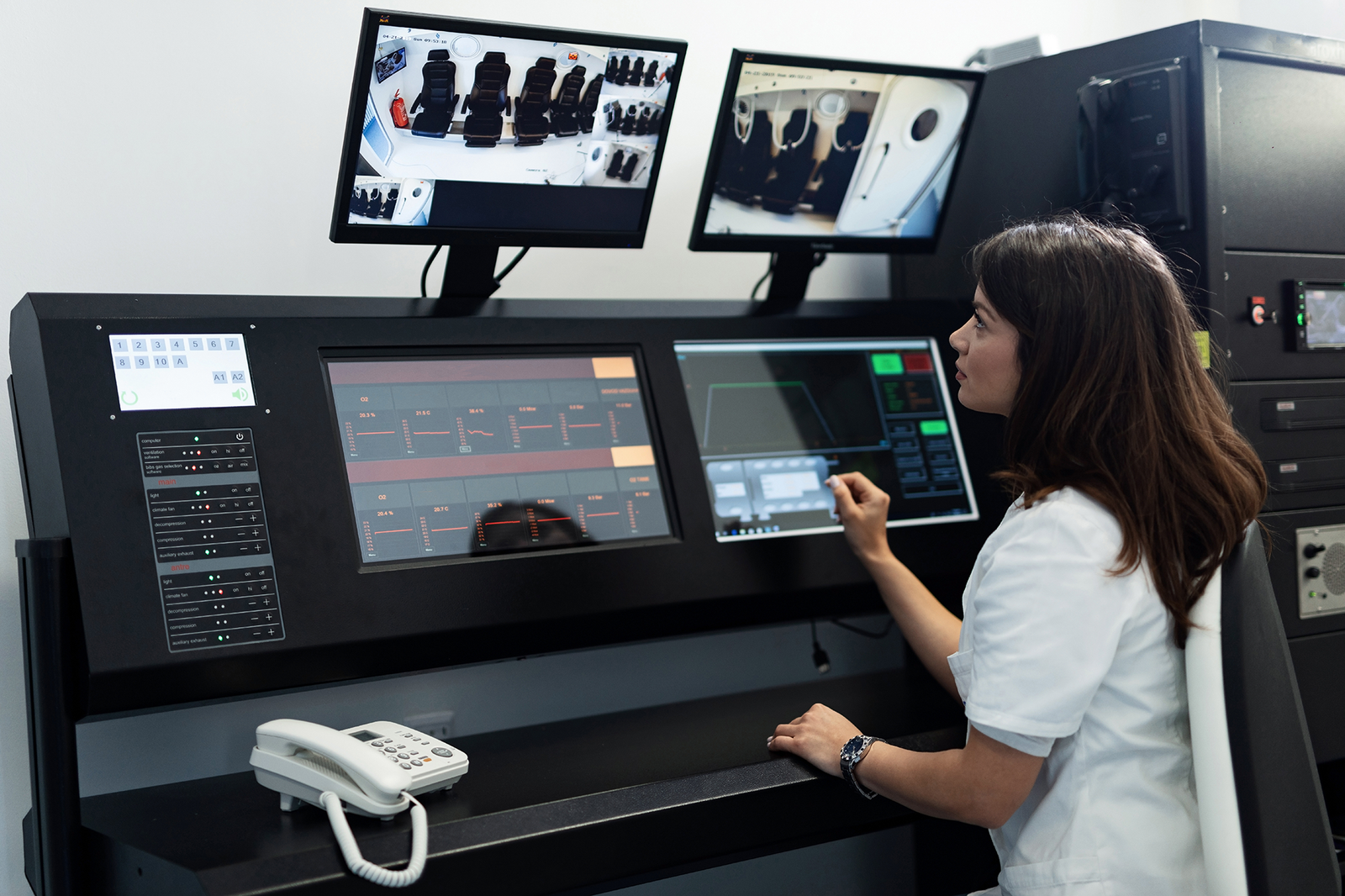
Remote camera monitoring is the use of trained personnel to observe a client’s camera feeds and respond to specific events according to the client’s documented procedures.
Depending on the property and the camera coverage, monitoring may support awareness of the events defined for observation.
Remote operators observe, document, and take only the actions approved for the engagement.
Monitoring Based on Your Defined Requirements
Unauthorized Access
Awareness of unauthorized access or perimeter intrusion visible through available camera views.
Restricted Areas
Observe people entering areas that the client has identified as restricted.
Parking & Vehicle Activity
Monitor parking lots, vehicle yards, and other defined areas for activity that requires attention.
Property & Stock Events
Observe property or stock-related events that can be identified through the available camera coverage.
Operational Conditions
Monitor operational conditions that the client has specifically defined for observation.
Other Defined Events
Observe other events that can reasonably be identified through the available camera views and agreed procedures.
The service does not replace on-site security personnel, law enforcement, or emergency responders. The people physically present at the location remain responsible for on-site response.
What Our Monitoring Team Does
Our monitoring team follows your documented procedures to observe agreed camera views, identify defined events, notify the right people, and document activity.
Observe the agreed camera views
The client identifies the cameras, locations, coverage periods, and activity that matter. The monitoring team works from the client-authorized system and follows the agreed monitoring instructions.
Identify and record defined events
Before monitoring begins, we work with you to define what counts as an event that needs action-such as a person entering a restricted area, a perimeter breach, or an activity at a parking facility. The team records observations using the format and level of detail agreed for the site.
Notify the right person
For each event type, the client specifies who should be contacted and how quickly. This may involve alerting the client, a designated manager, or on-site security staff. Contact details and backup escalation paths are documented in the site's SOP.
Activate an approved alarm when authorized
Some clients authorize the monitoring operator to activate a site alarm when a defined event occurs. The alarm can notify on-site personnel who are physically present and able to respond. Operators only use alarms, speakers, or other controls when the client has specifically authorized the action and the procedure is documented.
Prepare incident reports
The team records the event, the camera or location involved, the time observed, the notification made, and any action taken under the approved procedure. Reporting frequency and format are agreed with the client.
Every Site Has Its Own Monitoring SOP
Camera monitoring is a sensitive operational responsibility. A parking lot, container yard, warehouse, retail site, and office may have different risks, camera layouts, operating hours, and response expectations.
What Your Monitoring Plan Defines
Before the service begins, Synthesis BPO works with the client to establish a written monitoring plan that defines:
The site, camera views, and areas included in monitoring
Coverage hours and shift handoffs
Events that must be identified or reported
What the operator may do independently
When to notify the client or on-site security
Whether an alarm or speaker may be activated
Who has authority to make decisions during an incident
What details must be logged and reported
How to handle unclear footage, system interruptions, or an unavailable contact
Site-Specific Authority: The client reviews and approves the SOP before the monitoring operation starts. Authority is site-specific; operators do not independently decide to confront, pursue, or physically intervene with anyone.
Staffing Based on Camera Type and Coverage
The number of cameras an operator can monitor depends on the camera system, whether it provides motion detection or alerts, the amount of activity, the layout of the site, and the response procedure.
Operator Monitoring Capacity
Motion-Enabled Camera Feeds
As an initial planning guide based on current operations, one operator may monitor roughly seven to eight motion-enabled camera feeds.
Static Camera Feeds
One operator may monitor about three to five static camera feeds.
These are starting estimates, not fixed limits. The final staffing plan is developed after reviewing the camera views, alerting capabilities, risk level, and required coverage.
Staffing Across Shifts
A site that needs continuous coverage requires a team roster across shifts and days off. Staffing can range from business-hours monitoring to a multi-person, 24/7 operation. The final roster is designed around the client’s coverage and response requirements.
A U.S. Business Relationship with Transparent Delivery Locations
Synthesis BPO is a sister concern of VisionSync Solutions LLC, a U.S.-registered company. Monitoring staff may be based in India or the Philippines, depending on the engagement. We make the delivery arrangement clear and agree it with the client before camera access is provided.
Camera access, permissions, authorized actions, and escalation responsibilities are defined by the client and documented in the service agreement and site SOP. Access is limited to the scope authorized for the engagement, and camera footage or access is not shared with unrelated third parties.
We do not claim to hold HIPAA, SOC, ISO, or other certifications or licenses for this service, and we do not promise that any monitoring arrangement is “100% secure.” The specific security and privacy requirements, camera-system controls, and authorized access should be reviewed and agreed before launch.
Example: 24/7 Monitoring
for a Parking Facility
24/7 Parking Facility Monitoring
Synthesis BPO provides 24/7 monitoring for a parking facility with approximately 40 cameras. A team roster of around 15 people supports continuous coverage across the monitoring schedule.
How the Monitoring Process Works
The site’s SOP identifies restricted areas and perimeter activity that should be reported. If an operator observes someone entering through a prohibited area, the operator can activate an authorized alarm. The alarm alerts on-site security guards and indicates the location of the intrusion so that personnel at the property can respond.
For this engagement, the client-specific rate is $8 per person, per hour. The client is not named. This example demonstrates how camera coverage, operator authorization, and on-site response can work together; it does not imply that every site needs the same number of cameras, operators, or alarm procedures.
Camera Monitoring
Services Pricing
Camera monitoring is typically priced at 7–10 per person, per hour. The final proposal depends on the number and type of camera feeds, alerting technology, coverage hours, staffing roster, event complexity, and response procedures.
For planning purposes, camera type and alerting capability affect the number of feeds assigned to each operator. We review the site and monitoring requirements with you, then agree on the staffing model and rate before the service begins.
Request a Camera Monitoring Quote →Camera Feeds
Number and type of camera feeds included in monitoring.
Alerting Technology
Motion detection, alerts, and other available camera-system capabilities.
Coverage Hours
Business-hours, extended, or continuous monitoring requirements.
Staffing Roster
Operator coverage, shifts, handoffs, and days-off requirements.
Event & Response Complexity
Defined events, notifications, alarms, and approved response procedures.
Why Choose SynthesisBPO
An extended team, not a black box.
You get CRM access, regular updates, and standing calls - the same visibility you'd have managing an in-house team.
No experimenting on your pilot.
We put our most qualified, experience-matched staff on every engagement from day one, because we treat every pilot as the start of an ongoing relationship, not a trial run.
Transparent, all-inclusive pricing.
Your rate is agreed upfront and covers the full team supporting your account - no separate line items added later.
Experienced people, not a training ground.
Our teams bring 16-18 years of combined BPO experience across sales, operations, quality, HR, admin, and technical roles.
Security built into how we operate.
Our delivery centers follow the practices of HIPAA, SOC 2, ISO, ISMS, and PCI standards - biometric access control, a paperless environment, and no personal devices on the floors where calls are handled.
Frequently Asked Questions
Answers to common questions about camera monitoring, coverage, operator responsibilities, access, and pricing.
A camera monitoring service assigns trained personnel to observe client-authorized camera feeds, identify defined events, notify designated contacts, and follow an approved site procedure. The exact activities and authority depend on the client’s SOP.
This page describes the staffed monitoring service. Camera hardware, installation, recording infrastructure, storage, and network setup are not assumed to be included; those responsibilities should be confirmed and scoped separately.
Yes. 24/7 monitoring can be arranged with a team roster across shifts. Some clients need only business-hours coverage, while others require continuous monitoring for parking lots, yards, or other sites.
The client defines the event categories. These may include perimeter breaches, unauthorized access, activity in restricted areas, parking-lot activity, or other site-specific events visible through the cameras.
Only when the client has authorized the action and it is documented in the site SOP. For example, a client may permit the operator to activate an alarm that alerts on-site guards. The operator’s authority and escalation steps are defined for each site.
Physical intervention is not part of remote monitoring. Any emergency-services contact must be explicitly defined in the client-approved protocol and agreement. On-site personnel or emergency responders handle physical response.
Monitoring staff may be based in India or the Philippines, depending on the engagement. Synthesis BPO is a sister concern of U.S.-registered VisionSync Solutions LLC. The delivery locations and access arrangements are disclosed and agreed before service begins.
The client defines which camera feeds may be accessed, what permissions are granted, what actions are authorized, and how events are escalated. These conditions are documented in the service agreement and site SOP. We do not claim a certification or guarantee of “100% security”; the camera system’s technical controls and specific requirements should be reviewed before access is enabled.
Typical pricing is 7–10 per person, per hour. The final rate depends on camera type, number of feeds, coverage hours, alerting technology, staffing, and the event-response scope.
The Benefits of Our Services
Fewer missed opportunities.
Dedicated coverage means fewer dropped calls, chats, or emails - and fewer customers who go elsewhere.
Fewer no-shows.
Confirmations and reminders keep your calendar accurate instead of full of appointments that don't happen.
Your team stays focused on the work.
Less time on the phone or inbox means more time on the service itself.
Nothing gets lost between shifts.
Our documented process means continuity even as your account grows or the team changes.
Scales with demand, without a hiring cycle.
Add capacity during a busy season and scale back down after, without the overhead of hiring and training in-house.
Predictable costs.
All-inclusive hourly pricing means you know exactly what you're paying for, with nothing added as a surprise.